
Menu
Woodinville: Annual vs Occasional Tree Pruning Guide
Tree Pruning Woodinville
Trees on a property are one of the key elements of maintaining a well-stewarded landscape in Woodinville, WA. Homeowners are often faced with deciding between establishing an annual routine for tree pruning or only pruning when needed. Each approach has advantages and disadvantages and meets specific needs. Ultimately, the best choice for your landscape will be based upon the type of tree, how old it is, and what long-term goal(s) you wish to achieve regarding health, safety and aesthetic appeal. Knowing the strategic differences will provide you with the ability to make a decision that maximizes the natural beauty and worth of your property.
Two Approaches to Pruning
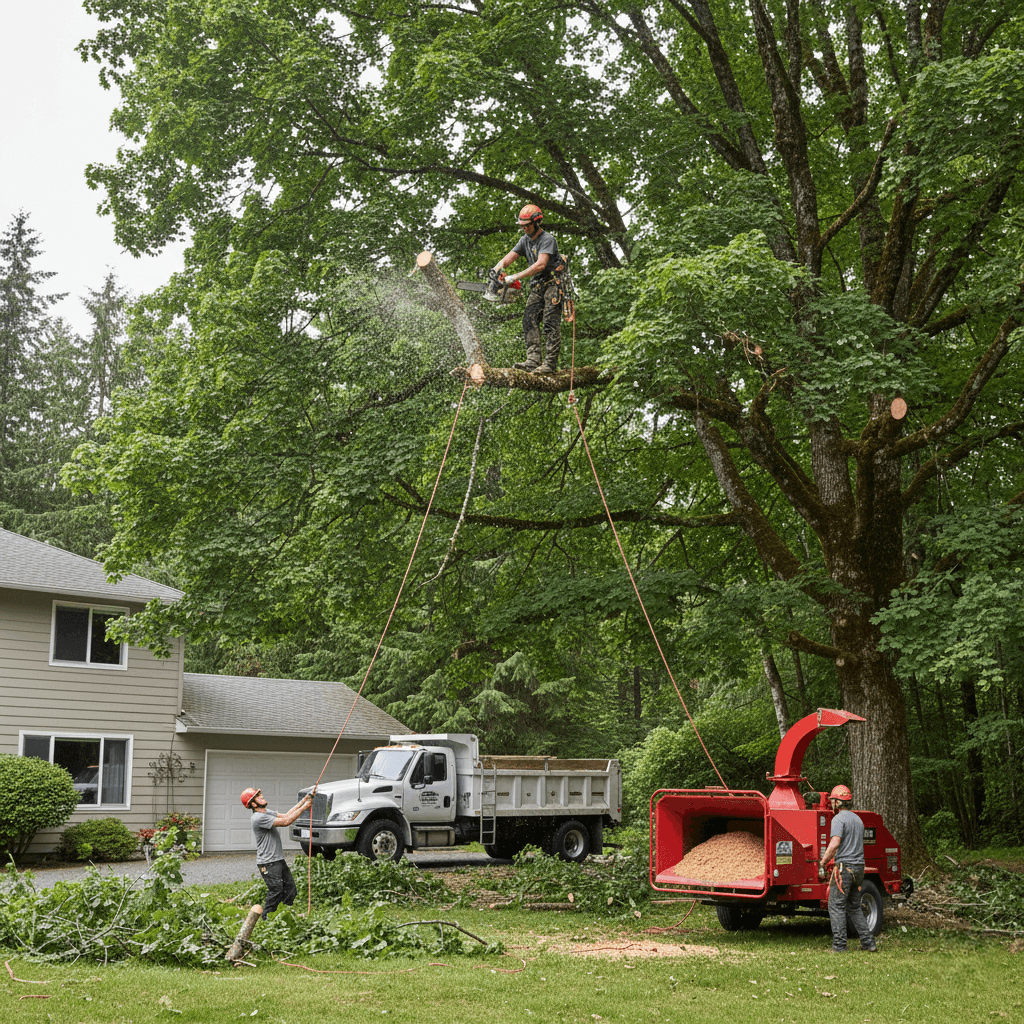
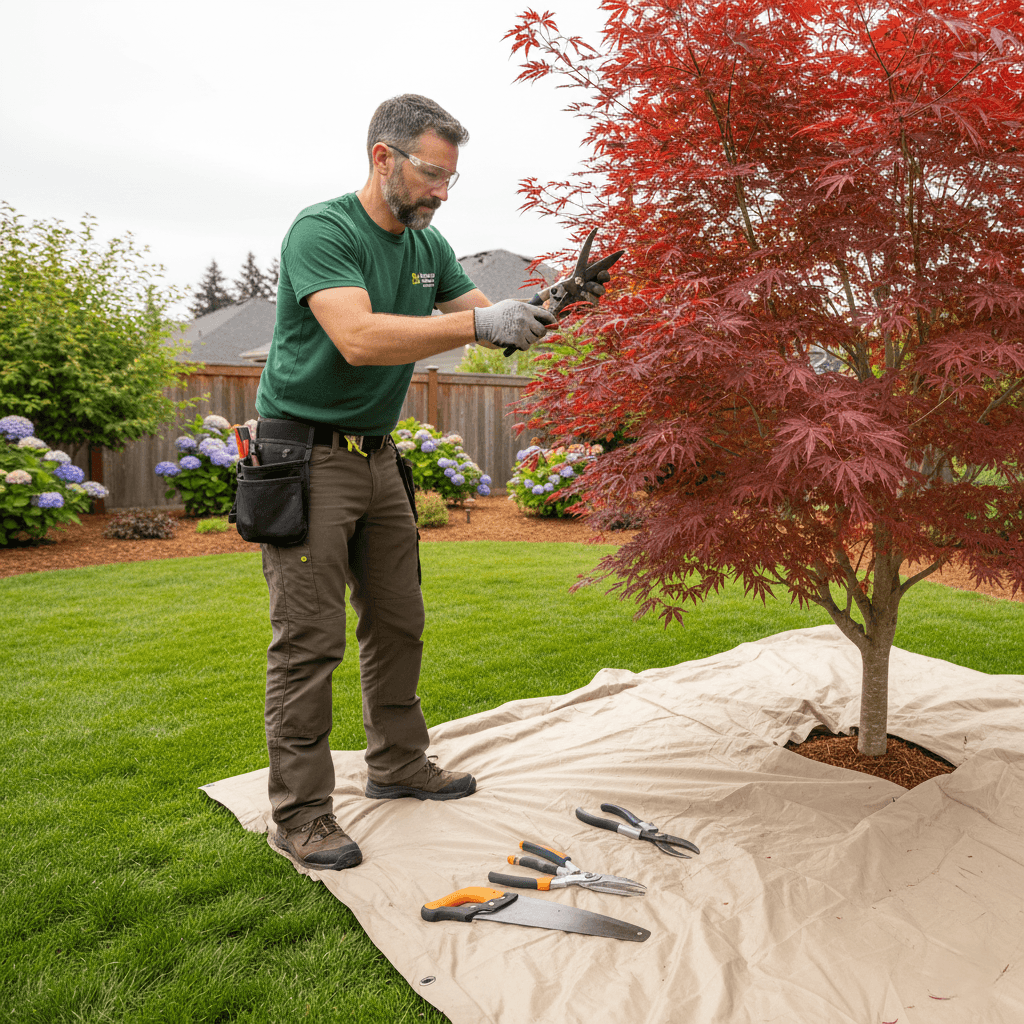
To understand what this means practically in an arboricultural context, we need to define the two philosophies of pruning. Occasional pruning is a reactive approach to pruning. It addresses immediate needs such as dead branches, branches damaged by storms, or branches touching buildings or other structures. The time between these types of pruning is usually many years. In contrast, Annual pruning is a proactive and systematic approach. It is a series of light, repetitive cuts that can help shape and manage a tree’s development, improve its structure, and reduce the potential for problems before they occur.
The Benefits of Annual Pruning: A Long-Term Investment
Annual pruning provides significant long-term benefits to the health and form of a tree. It is a disciplined approach that looks at the long-term health and structure of the tree.
Better Tree Health and Vigor
Light annual pruning encourages healthy tree vigor through regular removal of weak, diseased, or crossing branches. Improved air circulation and sunlight penetration into the canopy help to prevent disease and provide the tree with the opportunity to invest in new, strong growth. As a result, annually pruned trees tend to be more resistant to insect pests and environmental stressors.
Better Branch Structure
Young trees benefit from annual structural pruning, which may be the most important single action taken for the life of the tree. An arborist can gently alter narrow branch angles and co-dominant stems, both of which are weak points susceptible to breakage during our rare winds and snows. Annual pruning to establish the tree’s architecture early in life creates a stronger and safer canopy that is less likely to produce failing branches and protects your home and family.
Maintaining an Aesthetically Pleasing Form and Fruit Production
If you take pride in maintaining a well-manicured yard or if you grow fruit trees, then annual pruning is a necessity. Annual pruning provides the opportunity to carefully prune and shape a tree to achieve the desired size and form to fit your design. For fruit trees specifically, annual pruning is required as it promotes the production of new fruiting wood and increases sunlight to the fruit to increase the size and sweetness of the crop.
Occasional Pruning: A Reactive Solution
Although annual pruning is preferred for development, there are times when an occasional approach to pruning is the best course of action. It is a practical way to address immediate and observable problems.
Pruning Older, More Established Trees
Many mature trees in Woodinville have reached their mature size and structure and therefore do not require annual pruning. When these trees reach maturity, they typically need to be pruned every three to five years. The focus changes from training to maintenance and includes the removal of dead branches, any branches that are causing a hazard to people or structures, and the clearing of branches from structures (such as rooftops).
Responding to Storm Damage and Safety Hazards
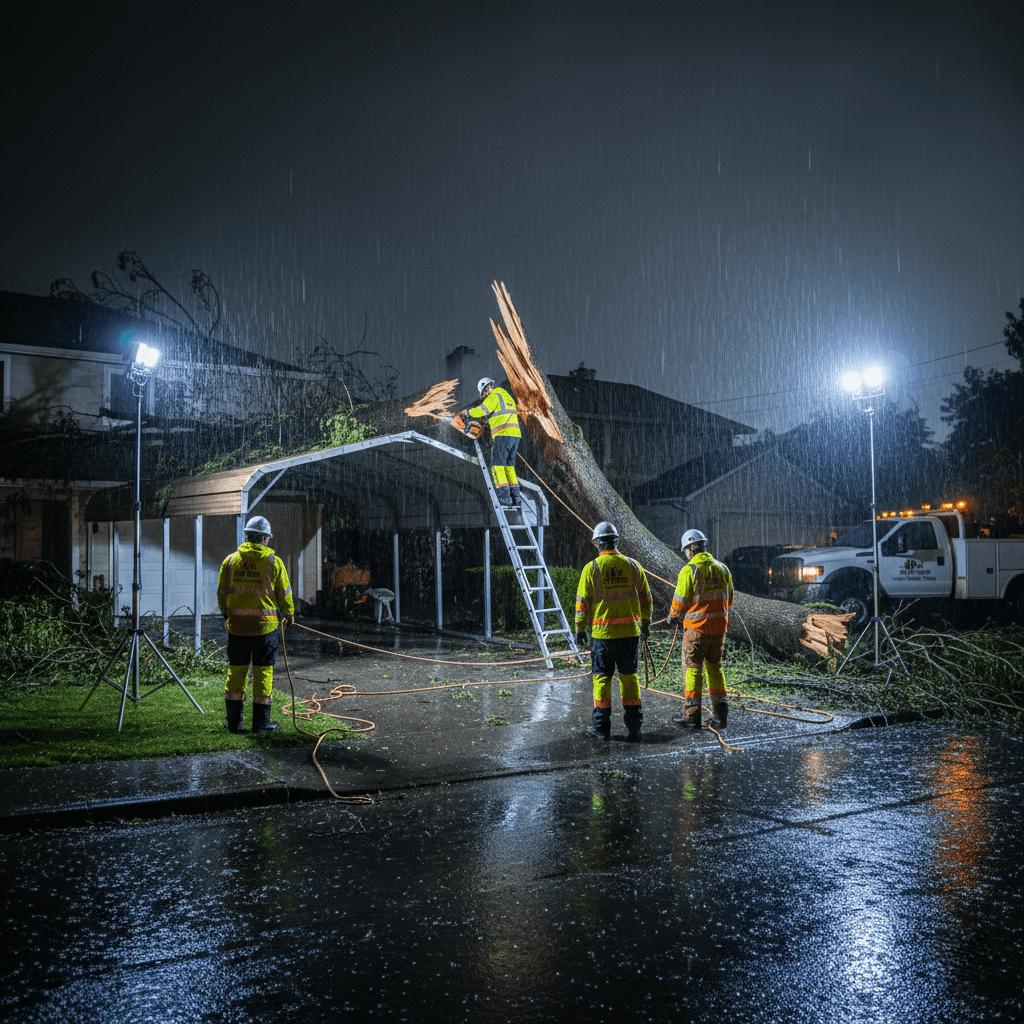
Storms can cause immediate hazards that require a reactive solution. Occasional pruning is the best way to respond to storm-damaged branches or limbs that are broken, hanging, or split.
Determining the Best Approach for Your Woodinville Property
Ultimately, the decision to use an annual pruning program versus an occasional pruning program depends upon the individual trees in your landscape and your own preferences. Use an annual pruning program for young trees, fruit trees, or for trees that you want to be in the best possible health, form, and for preventive purposes. Although an annual pruning program may cost more in the short term due to the increased frequency of pruning, it will often save you money in the long term because you will avoid costly corrective work. Use an occasional pruning program for older, low-risk trees where the main objective is to remove any branches that pose a safety hazard.
Consulting with a Certified Arboricultural Professional
Because of the many different factors that affect a tree’s environment (species, soil quality, etc.) and how those environments impact the health of the tree, you would be wise to consult with a certified arborist who has experience working with trees in your area. He/she can evaluate your landscape and recommend a pruning plan that meets your objectives. A certified arborist also has the knowledge and skills to make the proper cuts to promote the tree’s natural biological processes. At Woodinville Tree Care Pros, we develop custom pruning plans for your trees, whether you want an annual pruning program or an occasional pruning program, to ensure the long-term health, beauty, and safety of your investments.
LATEST POSTS