
Menu
Tree Care 101: Essential Tips for Woodinville Homeowners
Tree Care Woodinville
More than just an aesthetically pleasing element in Woodinville’s landscape, the trees defining our region serve as valuable, living elements that add to the worth of each property and contribute to the quality of our ecosystem. To effectively provide for these environmental assets, it is crucial to have a basic knowledge of their requirements during all four seasons. The best tree care in the Pacific Northwest, while based on science, also requires close observation of the tree and its surroundings. With the right skills in a few key areas, homeowners will be able to keep their trees safe, strong, and thriving for years to come. This resource will provide the necessary information to enable all homeowners to feel confident in their ability to take care of their own tree collection.
Water, Mulch & Soil: Mastering the Basics of Tree Health
How well a tree will do over time is greatly influenced by how consistently it has been cared for at the bottom. How a tree’s soil is managed and how much water it gets are the building blocks of every good tree care program.
Watering Strategies for Young and Mature Trees
Young trees need to receive adequate amounts of water for their first couple of years to help develop a strong root system. Young trees should be watered deeply either once or twice a week (depending on the amount of heat), while older trees will get better benefits from less frequent but deeper watering to cause roots to grow downward. No matter what type of watering strategy you choose, never water at the trunk of the tree but rather at the drip line – the circle of the branches and trunk that is closest to the ground.
Mulching – An Art & Science
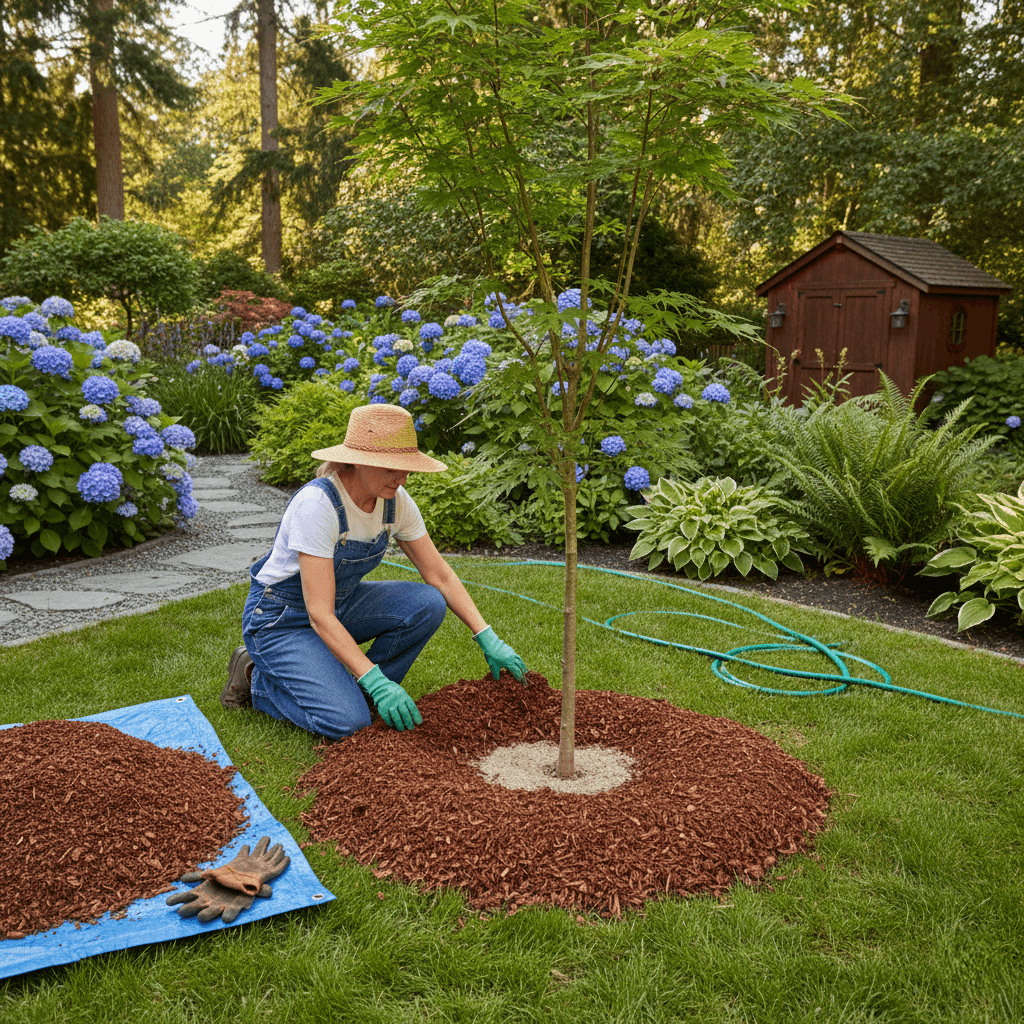
Adding a ring of mulch to your tree is probably the single most valuable action you can take in caring for your tree. A two-to-four-inch layer of mulch made from organic materials such as wood chips will help keep the soil moist and will help control the temperature of the roots. Make sure the mulch is kept back from the trunk at least several inches so that there isn’t too much moisture collecting and decaying the bark. Mulch will also reduce the competition from weeds for water and nutrients in the soil and will slowly enrich the soil as it breaks down.
Why and When to Prune
Pruning is not all about keeping your tree small; it’s a way to promote healthy and structural development of your tree. Understanding the “why” and “when” to prune is critical.
When to Prune
For most general pruning, the ideal time is during the tree’s dormant season, which would be late fall or early winter. This timing will cause the least amount of stress to the tree and will minimize the possibility of disease or pest transmission. Dead, damaged, or diseased branches should be pruned immediately after they are discovered, regardless of the season. Proactive removal of branches that have died or have been injured will prevent further decay and possibly create a hazard.
Proper Pruning Techniques
Always cut through the branch collar (the thickened area at the point where the branch meets the trunk) and not through the trunk. This will allow the tree to compartmentalize the wound properly. Topping trees or making flush cuts can cause severe damage to your tree’s structure and health. The objective of pruning is to remove competing branches and to maintain a strong form, and not to drastically change your tree’s natural form.
Monitoring Your Trees & Early Interventions
Observing your trees regularly will enable you to identify any potential problems before they become major emergencies. With a little bit of observation and maintenance, you can avoid having to perform expensive repairs in the future.
Recognizing Common Signs of Distress
Take the time to learn what common indicators of distress look like in a tree. Some common indicators of a tree’s poor health are excessive leaf drop, discolored or undersized leaves, and fungal growths on the trunk or roots of your tree. Also, peeling bark, deep cracks in the bark, or voids in the trunk or branches can all indicate serious internal problems. Identifying the problem early on will go far in helping you manage pests and diseases.
Understanding Your Tree’s Soil Conditions
Soils in our area can be compacted or deficient in nutrients. If your tree is showing signs of poor growth, conducting a soil test could uncover whether there are pH imbalances or deficiencies in necessary minerals. Although many mature trees obtain their own nutrients, young or stressed trees might benefit from slow-release fertilizers based on professional recommendations.
Knowing When to Call a Professional
Many tree care jobs can be performed by homeowners, but some require specialized knowledge and equipment. Recognizing those situations will protect you and your tree.
Complex or Risky Jobs
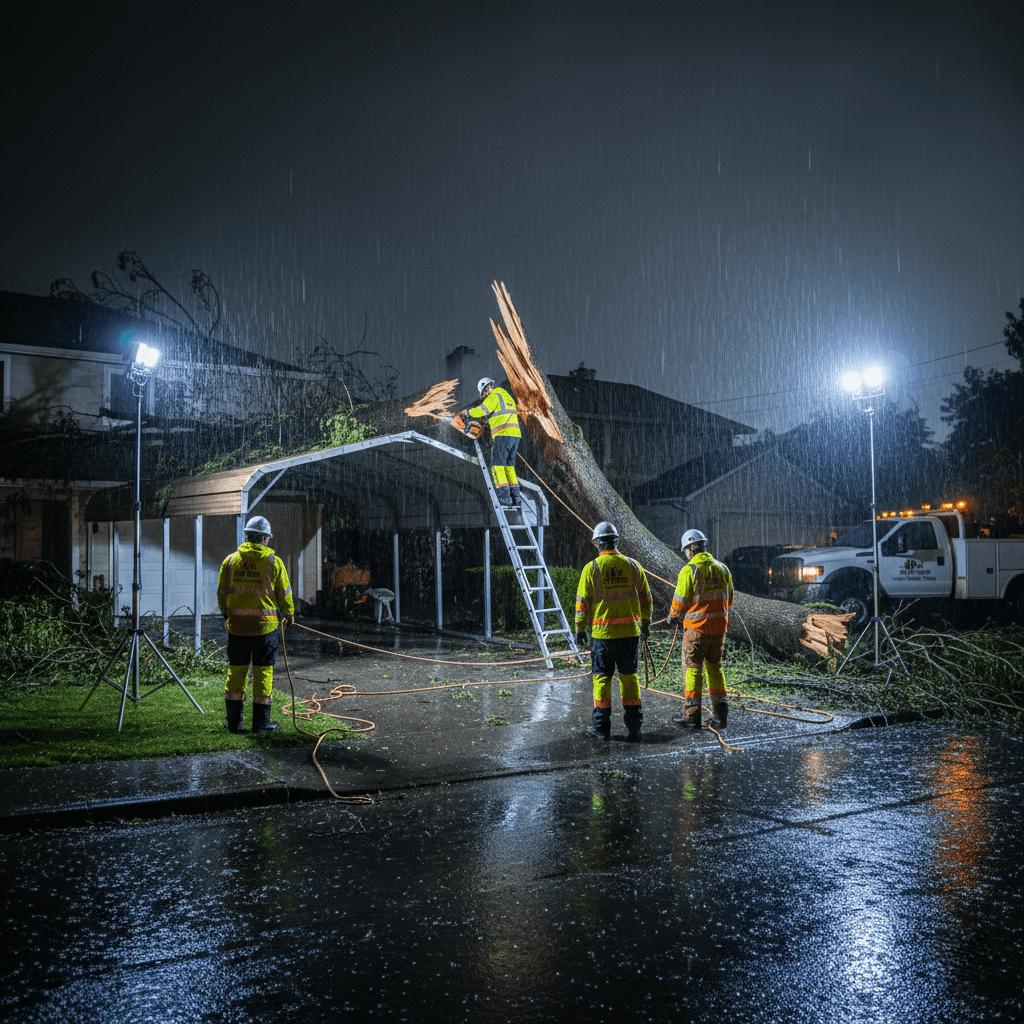
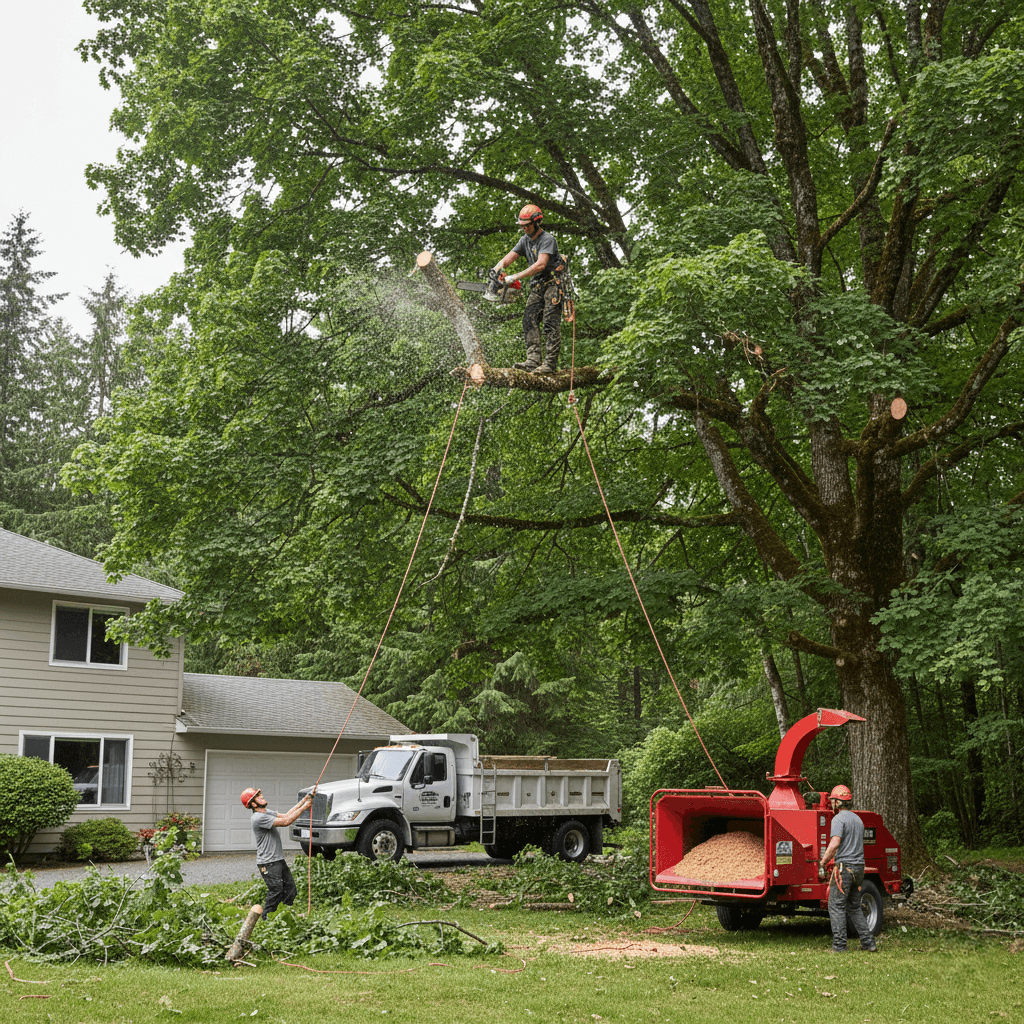
Jobs that require a ladder, involve branches close to electrical wires, or involve removing large branches from trees should be done by a certified arborist. Diagnosing unknown diseases or creating a treatment plan are also jobs for professionals. Professionals ensure the health of your tree and the safety of everyone involved.
You Are a Woodinville Tree Steward
Trees are long-term investments that provide aesthetic beauty, shade, and increased property values. By incorporating the following essential tips into your seasonal routine, you are contributing to the health of Woodinville’s urban forest. Consistent care of your trees (from proper mulching to regular monitoring) will help build a robust and sustainable landscape. Should you need assistance beyond your comfort zone, Woodinville Tree Care Pros is here to offer professional guidance and support to help your trees continue to thrive and be a source of pride for years to come.
LATEST POSTS